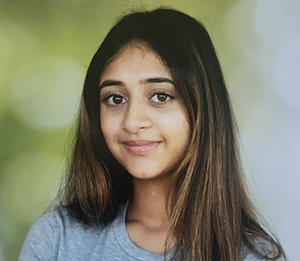
By Jaya Kolluri, Winsor School
In today’s rapidly changing world, the integration of AI-based technologies like ChatGPT into education has sparked an ongoing debate between teachers and students. Many educators worry using AI-driven tools for learning may lead to laziness in students and discourage them from conducting their own research. However, I—as a high-school student—think AI-driven models can complement traditional teaching methods. ChatGPT offers students additional resources, perspectives, and the ability to explore different concepts independently. As students, we thrive on curiosity and the desire to discover, and ChatGPT can support and nurture that inquisitive nature.
My experience with ChatGPT convinced me of its true potential. I decided to create an “Introduction to Statistics” blog powered solely by ChatGPT. To my amazement, this AI tool assisted me in drafting engaging, informative, and well-structured blog posts that covered various statistical concepts clearly and concisely. One of the greatest benefits to me was its ability to generate content in minutes, saving me hours of research and writing. Acting as an on-demand teaching assistant, it answered my questions and provided examples that made the concepts more accessible to me. Moreover, it allowed me to present different angles so I could provide a well-rounded post. This highlights AI’s role as a collaborator of—not a replacement for—human creativity.
My goal in creating this AI-powered blog was to showcase ChatGPT’s potential to be a valuable educational tool when used strategically and urge teachers to embrace it to enhance their teaching methods.
Embracing technology in education does not mean abandoning traditional methods. Finding a synergistic relationship between the two can empower both students and teachers to learn more effectively. By fostering a positive outlook on using ChatGPT in education, we can pave the way for a more dynamic and enriching learning experience.
I invite you to explore and interact with my blog. Also, share your opinions about the blog’s utility as an educational resource in the comments section of each post.
Editor’s Note: This article originally appeared in the September 2023 issue of Amstat News.